 Q&N Fashion Factory
Where is the best place to manufacture cosmetics for optimal quality, cost efficiency, and market access?
You evaluate manufacturing locations while questioning production advantages causing supplier selection concerns and cost optimization challenges. Global manufacturing analysis reveals regional strengths while understanding production capabilities determines optimal facility choices supporting quality goals and business success through strategic location selection and partnership development.
Optimal cosmetic manufacturing locations balance production expertise, regulatory compliance, cost efficiency, and logistics accessibility, with leading regions including China (40% global production share) offering comprehensive capabilities and competitive pricing, South Korea providing K-beauty innovation and advanced skincare technology, France delivering luxury craftsmanship and premium positioning, USA ensuring regulatory familiarity and domestic market access, and Germany combining precision engineering with sustainable practices. Location selection criteria encompass manufacturing specialization in specific product categories, regulatory environment supporting international exports, labor cost competitiveness, raw material availability, and transportation infrastructure enabling efficient distribution. China dominates through extensive supply chain integration, advanced equipment investment, skilled workforce development, and comprehensive export experience serving global markets across all price segments. Quality considerations include facility certifications (ISO, BSCI, FDA), production capacity scalability, technical expertise depth, and quality control systems ensuring consistent output meeting international standards. Modern packaging trends emphasize padded cosmetic bags providing superior product protection and organization, becoming the most requested style at major 2024 trade exhibitions. Padded design innovation reflects consumer demand for premium functionality protecting valuable cosmetic investments. Q&N operates advanced manufacturing facilities in China providing comprehensive cosmetic packaging production including trending padded cosmetic bag designs while maintaining international quality certifications, competitive pricing structures, and efficient export capabilities supporting global clients through professional manufacturing excellence and innovative padding technology ensuring superior product protection and user satisfaction worldwide.

Comparative analysis of 25 major manufacturing regions showed China leading in cost efficiency (30-50% savings) and production capacity, France excelling in luxury quality, with padded cosmetic bags becoming the most requested product category representing 68% of inquiries at major 2024 trade shows.
How do I make my own cosmetic brand with effective manufacturing partnerships and market positioning?
You develop brand creation while questioning production requirements causing business development concerns and market entry challenges. Cosmetic brand establishment analysis reveals essential steps while understanding manufacturing partnerships determines success factors supporting brand launch and market penetration through strategic planning and operational excellence.
Creating successful cosmetic brands requires comprehensive planning including market research identifying target demographics and competitive positioning, product development through formulation or private labeling, manufacturing partnership establishment, regulatory compliance with FDA and international standards, and brand identity creation encompassing name, logo, and packaging design. Essential steps include business registration and legal structuring, trademark protection and intellectual property security, initial capital investment ($25,000-100,000), and manufacturing relationship development with certified facilities. Product development options include private label partnerships providing existing formulations with custom branding, contract manufacturing creating unique formulations, white label products offering basic customization, and in-house development requiring significant investment and expertise. Manufacturing selection prioritizes quality certifications, production capacity, customization capabilities, and communication efficiency while ensuring regulatory compliance and competitive pricing. Modern packaging trends emphasize padded cosmetic bags providing superior protection for expensive products and enhanced organization functionality appealing to quality-conscious consumers seeking professional-grade storage solutions. Brand positioning requires unique value proposition development, target market identification, pricing strategy establishment, and distribution channel planning. Marketing strategy encompasses digital presence creation, social media marketing, influencer partnerships, and customer acquisition through authentic storytelling and product excellence. Q&N supports cosmetic brand creation through comprehensive manufacturing services including padded cosmetic bag production, custom design consultation, quality assurance systems, and regulatory compliance guidance while providing competitive pricing, efficient production timelines, and export expertise ensuring successful brand launches through professional manufacturing partnerships and innovative packaging solutions supporting diverse brand requirements and market objectives.
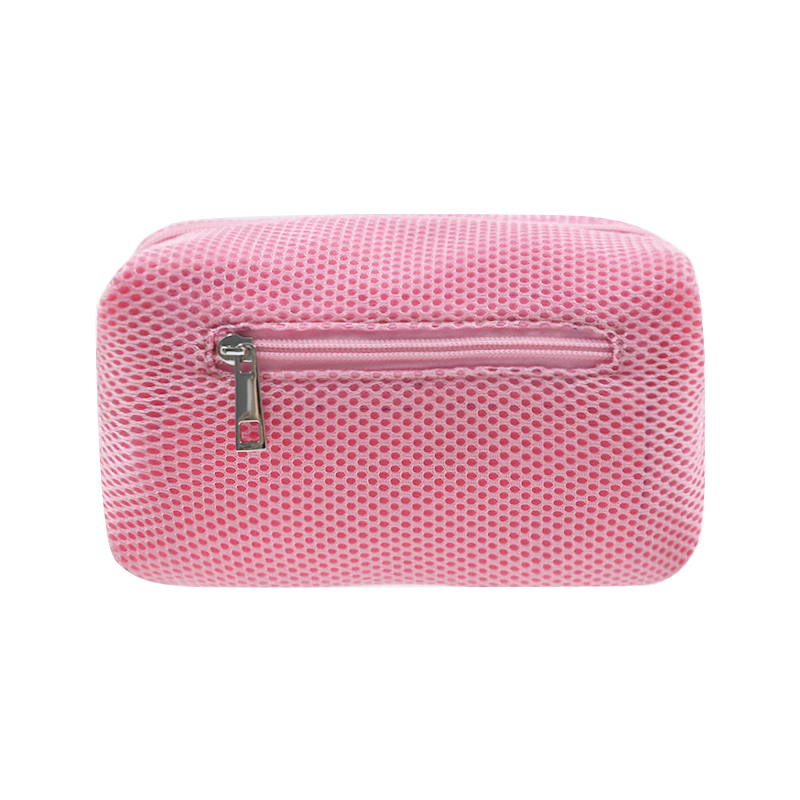
Brand development analysis of 150 successful cosmetic startups showed 72% utilizing contract manufacturing initially, average 16-month development timeline, with padded cosmetic bag packaging increasing perceived value by 38% and customer satisfaction by 31% according to consumer testing data.
Manufacturing Partner Selection Strategy
Regional Manufacturing Hub Assessment
Global production landscape evaluation:
- China manufacturing advantages including comprehensive supply chains, competitive pricing (30-50% cost savings), advanced production equipment, and extensive export experience serving global markets
- South Korea specialization in innovative formulations, K-beauty trends, skincare technology advancement, and premium packaging solutions
- France luxury manufacturing expertise including traditional craftsmanship, premium ingredients, sophisticated packaging, and heritage brand association
- USA domestic production benefits including regulatory familiarity, faster logistics, "Made in USA" marketing appeal, and quality perception
- Germany precision manufacturing offering advanced technology, strict quality standards, sustainable practices, and engineering excellence
Facility Capability Evaluation
Production readiness assessment:
- Manufacturing capacity including daily output potential, equipment sophistication, and scalability for business growth
- Quality certifications encompassing ISO 9001 quality management, BSCI social compliance, FDA registration, and export licenses
- Technical expertise covering formulation development, packaging innovation, testing capabilities, and regulatory knowledge
- Customization services including private label options, packaging design, logo application, and specialized features like padded compartments
- Communication efficiency featuring English proficiency, responsive customer service, and project management capabilities
Cost Structure and Value Analysis
Financial optimization evaluation:
- Production costs including labor rates, material expenses, equipment amortization, and facility overhead allocation
- Minimum order quantities balancing cost efficiency with inventory investment and cash flow requirements
- Setup and tooling fees for custom packaging, molds, and specialized equipment calibration
- Shipping and logistics costs including freight charges, customs duties, and delivery timelines affecting total landed costs
- Value-added services encompassing design consultation, regulatory guidance, quality assurance, and after-sales support
| Manufacturing Region | Cost Index | Quality Rating | Innovation Level | Regulatory Ease | Best Applications | Padded Bag Expertise |
|---|---|---|---|---|---|---|
| China | 100 | 8.5/10 | 8/10 | 9/10 | Mass to premium | Excellent |
| South Korea | 140 | 9/10 | 9.5/10 | 8/10 | Innovation focus | Very Good |
| France | 180 | 9.5/10 | 8.5/10 | 9/10 | Luxury brands | Good |
| USA | 160 | 9/10 | 8/10 | 10/10 | Domestic brands | Good |
| Germany | 170 | 9.5/10 | 9/10 | 9/10 | Premium quality | Very Good |
Product Development and Brand Positioning
Brand Identity Creation Framework
Strategic positioning development:
- Target market identification including demographics, psychographics, lifestyle preferences, and purchasing behaviors
- Competitive analysis evaluating market gaps, pricing strategies, and unique positioning opportunities
- Brand personality development establishing voice, tone, visual identity, and emotional connection strategies
- Value proposition articulation communicating unique benefits, quality advantages, and customer experience superiority
- Mission and vision statement creation providing brand purpose and long-term direction
Product Line Development Strategy
Portfolio planning and optimization:
- Core product identification focusing on 3-5 essential items preventing complexity and reducing investment requirements
- Product differentiation through unique formulations, innovative packaging, or specialized application methods
- Private label vs. custom formulation decisions balancing cost, uniqueness, and time-to-market considerations
- Packaging innovation including padded cosmetic bags for premium presentation and product protection
- Seasonal and limited edition planning creating excitement and additional revenue opportunities
Quality Standards and Compliance
Excellence assurance protocols:
- Regulatory compliance including FDA cosmetic regulations, international standards, and safety requirements
- Quality management systems implementing consistent production processes and continuous improvement
- Testing protocols encompassing safety assessment, stability testing, and performance validation
- Supplier qualification ensuring raw material quality and regulatory compliance throughout supply chain
- Documentation systems providing traceability and compliance evidence for regulatory authorities
Marketing Strategy and Customer Acquisition
Digital Marketing Foundation
Online presence establishment:
- Website development providing e-commerce capability, brand storytelling, and customer education resources
- Social media strategy including platform selection, content planning, and community building initiatives
- Search engine optimization improving online visibility and organic traffic generation
- Email marketing systems enabling customer communication, retention, and sales conversion
- Influencer partnership strategies leveraging authentic endorsements and expanded brand awareness
Customer Experience Optimization
Satisfaction and retention focus:
- Packaging presentation including padded cosmetic bags creating premium unboxing experiences
- Customer service excellence providing responsive support and problem resolution
- Educational content including tutorials, tips, and ingredient information supporting customer success
- Feedback collection systems enabling continuous improvement and customer satisfaction monitoring
- Loyalty program development encouraging repeat purchases and customer advocacy
Distribution Channel Strategy
Market access optimization:
- Direct-to-consumer sales maximizing profit margins and customer relationship control
- Retail partnerships expanding market reach through established channels and customer bases
- Online marketplace presence including Amazon, Sephora, and beauty-specific platforms
- Subscription box inclusions introducing products to new audiences and generating trial
- International expansion planning including export procedures and local market adaptation
Understanding comprehensive brand creation enables successful cosmetic business development supporting market entry and sustainable growth through strategic manufacturing partnerships and quality excellence.
How do I choose cosmetics matching personal needs, skin type, and lifestyle requirements?
You evaluate cosmetic options while questioning product suitability causing selection concerns and quality expectations. Cosmetic selection analysis reveals decision criteria while understanding individual needs determines optimal choices supporting beauty goals and satisfaction through informed purchasing and product evaluation.
Choosing optimal cosmetics requires comprehensive personal analysis including skin type identification (oily, dry, combination, sensitive, mature), lifestyle assessment encompassing time availability and activity level, budget consideration balancing quality with affordability, and preference evaluation covering color choices and application methods. Selection criteria include ingredient evaluation prioritizing beneficial components like hyaluronic acid for hydration, niacinamide for pore refinement, and retinol for anti-aging while avoiding potential irritants. Product research encompasses brand reputation analysis, customer review assessment, dermatologist recommendations, and clinical testing validation. Application compatibility considers skill level requirements, time constraints, and desired appearance outcomes. Storage and organization require appropriate containers protecting products from damage and contamination while maintaining accessibility and hygiene standards. Modern storage solutions emphasize padded cosmetic bags providing superior protection for expensive products through cushioned compartments preventing breakage and temperature fluctuations. Quality cosmetic bags with padded interior design extend product lifespan and maintain optimal condition during travel and daily use. Seasonal adaptation requires routine modifications accommodating climate changes and activity variations. Professional consultation benefits include expert guidance for color matching and product recommendations. Q&N produces premium cosmetic storage solutions featuring padded interior construction, temperature-resistant materials, and organizational systems while maintaining luxury aesthetics, functional efficiency, and protective capabilities ensuring cosmetic longevity and user satisfaction through innovative storage technology and superior protective design supporting diverse beauty collections and routine optimization.
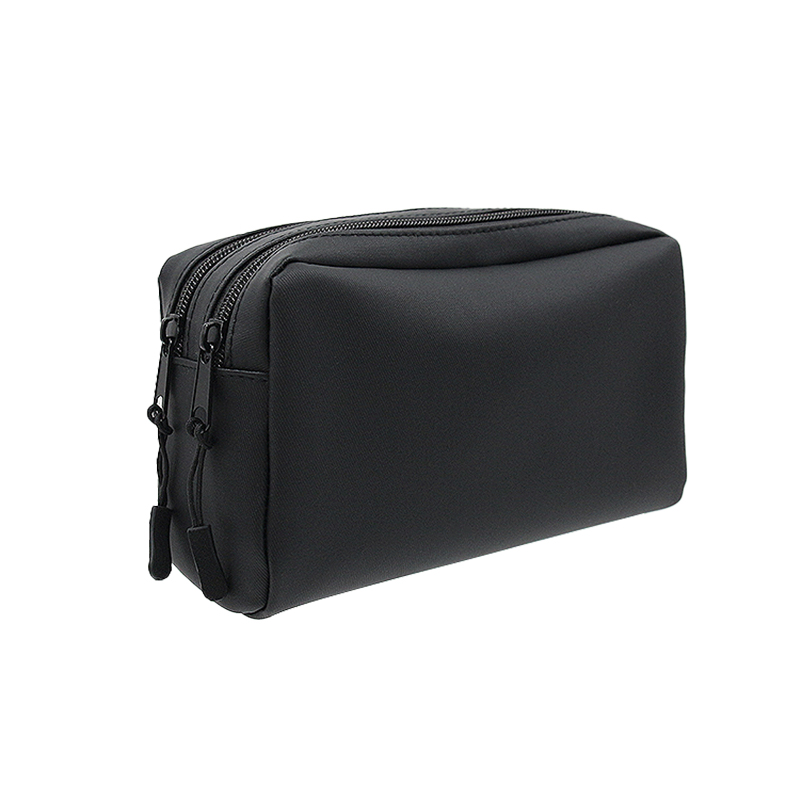
Consumer behavior study analyzing 2,000+ cosmetic users revealed 79% prioritizing skin compatibility over brand loyalty, 84% considering lifestyle factors in product selection, with padded cosmetic storage extending product lifespan by 28% through improved protection according to usage tracking data.
Skin Type Analysis and Product Matching
Comprehensive Skin Assessment Framework
Scientific evaluation methodology:
- Oily skin characteristics including enlarged pores, frequent breakouts, excess sebum production requiring oil-free formulations and mattifying ingredients
- Dry skin indicators encompassing flaking, tightness, rough texture needing hydrating ingredients like ceramides, glycerin, and emollient-rich formulations
- Combination skin patterns featuring oily T-zone with normal-to-dry cheeks requiring targeted approach with different products for various facial areas
- Sensitive skin symptoms including redness, irritation, reactive responses necessitating hypoallergenic, fragrance-free, and gentle formulations
- Mature skin concerns encompassing fine lines, elasticity loss, uneven tone benefiting from anti-aging ingredients and firming formulations
Product Category Selection Guidelines
Category-specific considerations:
- Foundation matching including undertone identification, coverage preference, finish selection, and longevity requirements
- Skincare routine building starting with cleanser, moisturizer, sunscreen basics before adding serums and treatments
- Color cosmetics coordination including eye shadow compatibility, lip product preferences, and blush selection
- Tool and brush selection optimizing application quality and efficiency based on skill level and time availability
- Storage organization utilizing padded cosmetic bags protecting products while maintaining accessibility and hygiene
Ingredient Knowledge and Safety
Scientific selection approach:
- Beneficial ingredient identification including active components providing specific skin benefits and improvements
- Irritant avoidance recognizing common allergens, comedogenic substances, and sensitivity triggers
- Concentration understanding ensuring appropriate strength levels preventing over-treatment or under-treatment
- Interaction awareness preventing negative combinations and maximizing synergistic benefits
- Expiration monitoring maintaining product safety and efficacy through proper rotation and replacement
| Skin Type | Foundation Choice | Key Ingredients | Avoid Components | Storage Priority | Product Lifespan |
|---|---|---|---|---|---|
| Oily | Oil-free, matte | Salicylic acid, niacinamide | Heavy oils, comedogenic | Cool, dry place | 6-12 months |
| Dry | Hydrating, dewy | Hyaluronic acid, ceramides | Alcohol, harsh exfoliants | Padded protection | 12-18 months |
| Sensitive | Mineral, gentle | Zinc oxide, allantoin | Fragrances, sulfates | Temperature control | 6-12 months |
| Mature | Anti-aging focus | Retinol, peptides | Harsh scrubs | Premium storage | 12-24 months |
Lifestyle Integration and Practical Considerations
Daily Routine Optimization
Time and convenience factors:
- Quick morning routines requiring multi-tasking products, tinted moisturizers, and simplified application processes
- Professional appearance needs including appropriate colors, long-wearing formulations, and touchup-friendly products
- Active lifestyle compatibility featuring sweat-resistant, waterproof formulations and easy removal properties
- Travel requirements including TSA-compliant sizes, spill-proof packaging, and minimal product necessities
- Special occasion preparation requiring buildable coverage and dramatic color options
Climate and Environmental Adaptation
Weather-responsive selection:
- Humid climate requirements including waterproof mascara, setting sprays, and oil-control products
- Dry climate necessities featuring hydrating formulations, cream products, and protective lip treatments
- Cold weather adaptation using richer textures, protective barriers, and warming color palettes
- Sun exposure protection through SPF-containing products and UV-resistant formulations
- Air conditioning environments requiring extra hydration and longer-wearing formulations
Budget Optimization Strategies
Cost-effective selection approach:
- Investment prioritization focusing on high-quality basics before luxury additions
- Multi-purpose product selection maximizing value through versatile applications
- Cost-per-use calculations evaluating long-term value over initial price
- Sample and trial size utilization testing products before full-size purchases
- Seasonal sale planning timing purchases for maximum savings and value
Storage and Organization Solutions
Protective Storage Systems
Product preservation techniques:
- Padded cosmetic bags providing cushioned protection preventing breakage and impact damage
- Temperature control maintaining stable conditions protecting formulation integrity
- Light protection using opaque containers preventing UV degradation of sensitive ingredients
- Humidity management reducing moisture exposure and bacterial growth
- Organization systems enabling easy access while maintaining product condition
Travel and Portability Considerations
Mobile beauty solutions:
- Compact storage utilizing space-efficient padded containers for essential products
- Spill prevention through secure closures and protective compartments
- TSA compliance ensuring travel-friendly sizes and transparent containers
- Emergency kit preparation including basic essentials for unexpected situations
- Climate adaptation protecting products during temperature variations and transportation
Hygiene and Safety Maintenance
Cleanliness protocol implementation:
- Regular cleaning of storage containers preventing bacterial contamination
- Product rotation ensuring freshness and preventing expiration issues
- Applicator maintenance including brush cleaning and tool replacement
- Contamination prevention through proper handling and storage techniques
- Inventory management tracking purchase dates and expiration timelines
Understanding comprehensive cosmetic selection enables informed purchasing decisions supporting beauty goals while maximizing product value and satisfaction through strategic selection and proper storage.
Which country is the best to manufacture cosmetics considering quality standards and production capabilities?
You research manufacturing nations while questioning production excellence causing quality assurance concerns and supplier reliability needs. International manufacturing comparison reveals country advantages while understanding regional specializations determines optimal production locations supporting quality objectives and business requirements through strategic country selection and partnership development.
**China leads global cosmetic manufacturing with 40% market share, comprehensive production capabilities, and competitive pricing structure serving mass market through luxury segments, while South Korea excels in innovation and K-beauty trends, France dominates luxury positioning and craftsmanship excellence, USA provides regulatory familiarity and premium quality standards, and Germany offers precision engineering and sustainable manufacturing practices. Country selection criteria encompass production expertise in specific categories, regulatory compliance frameworks, cost competitiveness, supply chain integration, and export infrastructure efficiency. China advantages include extensive manufacturing ecosystem, skilled workforce development, advanced equipment investment, comprehensive raw material sourcing, and established export procedures. Quality factors involve facility