 Q&N Fashion Factory
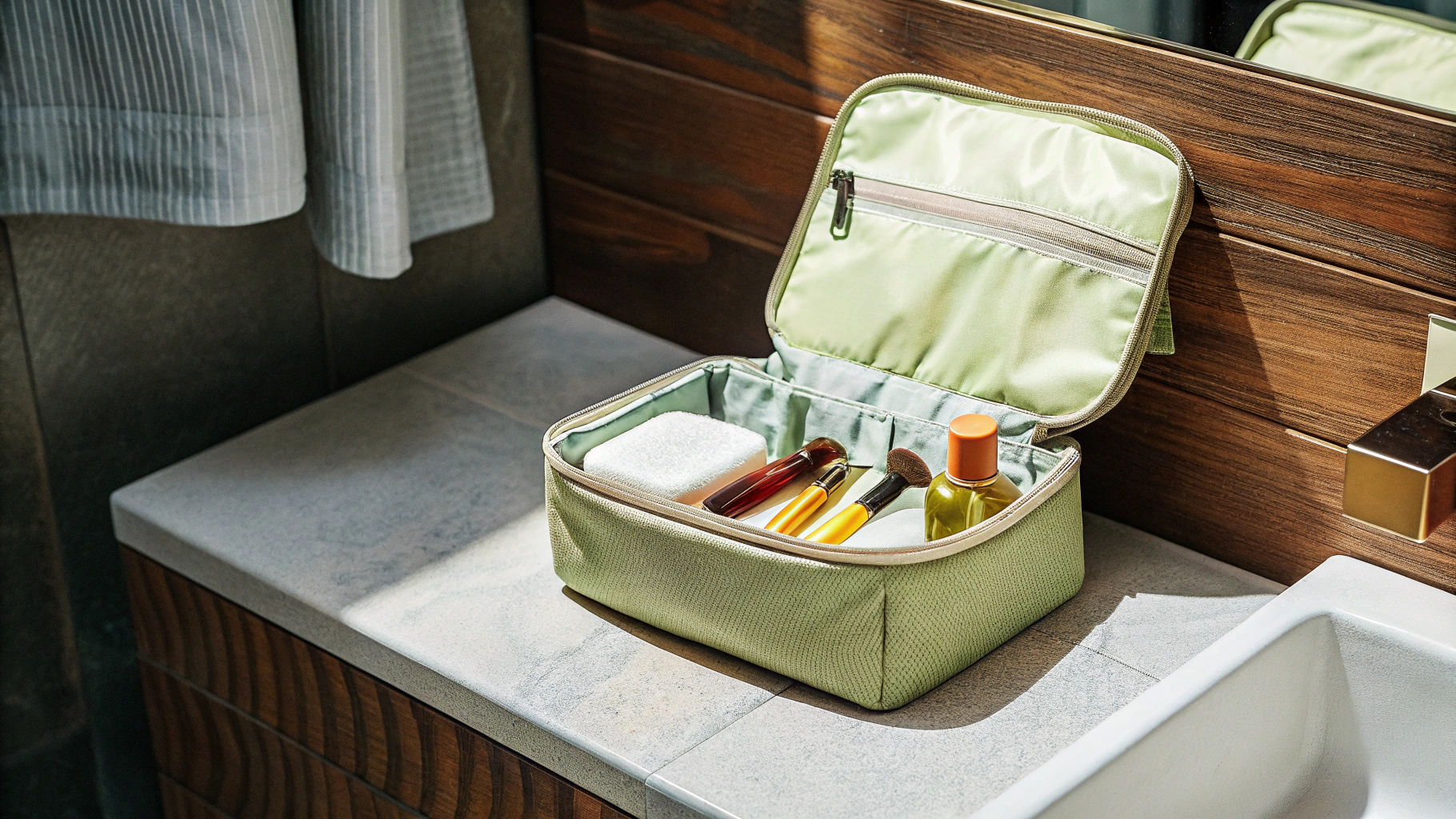
How to organize skincare in a cosmetic bag without spills or damage?
You struggle with skincare organization while fearing liquid disasters causing product waste and bag damage. Proper skincare storage requires strategic planning while understanding container properties prevents costly accidents supporting efficient routines.
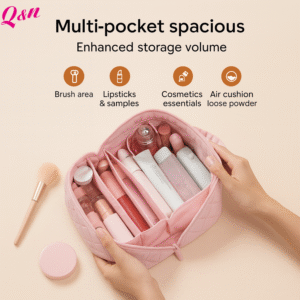
Effective skincare organization in cosmetic bags requires leak-proof storage using sealed containers, strategic positioning with liquids at bottom in protective compartments, and separation by product consistency with creams isolated from powders. Essential organization includes double-bagging liquid products using ziplock bags, vertical positioning preventing spills during transport, and cushioning protection using soft dividers between glass containers. Compartmentalized bags excel for skincare storage offering dedicated sections preventing cross-contamination, mesh pockets providing visibility for quick identification, and waterproof lining containing accidental spills. Size considerations include travel containers reducing weight and leak risk, pump bottles preventing over-dispensing, and wide-mouth jars enabling easy access. Organization by routine helps with morning basics in accessible sections, evening products in separate compartments, and treatment serums in protective padding. Temperature-sensitive items need insulated sections, while sunscreens require dark storage preventing degradation. Q&N designs skincare-specific cosmetic bags with waterproof compartments, customizable dividers, and leak-containment systems understanding that liquid skincare products demand specialized organization solutions protecting both products and bag integrity.

After destroying two expensive bags with serum leaks, I developed a fail-safe system using individual ziplock pouches for each liquid product, discovering this simple protection prevents 99% of spills while making security checks easier during travel.
How should bottles and jars be stored safely in cosmetic bags?
You question proper storage techniques while protecting valuable skincare investments from damage. Safe container storage requires understanding material vulnerabilities while implementing protective measures prevents breakage and maintains product integrity.
Skincare bottles and jars require careful storage with glass containers wrapped in bubble wrap or cloth pouches, plastic bottles positioned vertically preventing cap failure, and pump dispensers secured with caps or tape preventing accidental discharge. Safety measures include cushioned dividers separating hard containers, soft padding protecting fragile items, and individual wrapping preventing container collision during transport. Weight distribution places heaviest items at bag bottom for stability, while frequently used products stay easily accessible near top sections. Temperature considerations keep heat-sensitive items in insulated compartments, while light-sensitive products need opaque storage preventing degradation. Container preparation includes tightening caps to manufacturer specifications, removing excess product from threads preventing contamination, and checking expiration dates before packing. Size optimization uses travel containers reducing weight and breakage risk, while backup systems include emergency replacement protocols for essential products. Organization by consistency groups liquids together preventing cross-contamination, while routine-based arrangement supports efficient morning and evening access patterns. Q&N creates protective storage solutions with impact-resistant compartments, temperature-controlled sections, and container-specific sizing ensuring skincare products remain safe, accessible, and effective throughout travel and daily use.
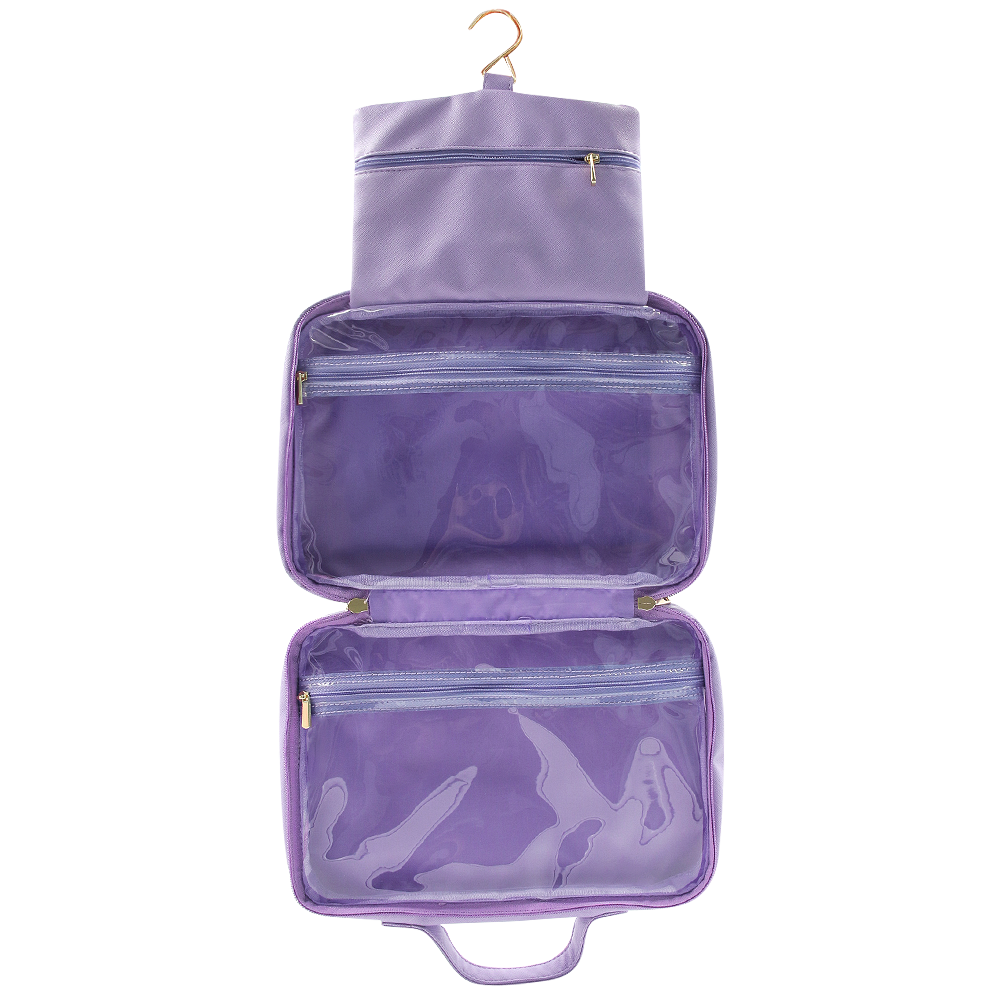
Learning from a shattered $80 vitamin C serum that destroyed my entire bag contents taught me to wrap every glass container individually, position them in center compartments surrounded by soft items, and never pack skincare in overstuffed bags under pressure.
Container Material Considerations
Glass Container Protection
Fragile item safety protocols:
- Bubble wrap individual wrapping providing impact absorb and preventing direct contact between containers
- Soft cloth pouches offering reusable protection while maintaining elegant appearance and easy access
- Foam padding creating shock absorption during transport while fitting various container shapes and sizes
- Strategic positioning placing glass items in bag center surrounded by soft products providing natural cushioning
- Size limitations avoiding oversized glass containers exceeding safe transport capacity and weight distribution
Plastic Container Care
Synthetic material handling:
- Temperature awareness preventing warping or melting in hot environments like cars or tropical climates
- Pressure protection avoiding crushing from overpacking or external compression during travel transport
- Chemical compatibility ensuring plastic types resist interaction with skincare ingredients preventing deterioration
- Cap security verification preventing loosening during transport while maintaining easy access for daily use
- Aging assessment replacing older plastic containers showing stress cracks or chemical deterioration signs
Metal Container Considerations
Metallic packaging management:
- Corrosion prevention keeping metal containers dry and separated from moisture sources
- Dent protection using rigid compartments preventing shape distortion affecting functionality and appearance
- Temperature regulation avoiding extreme heat causing expansion and potential seal failure
- Edge safety ensuring smooth containers without sharp edges risking bag damage or personal injury
- Magnetic interference consideration for electronic devices or magnetic closures in cosmetic bags
| Container Type | Protection Method | Risk Level | Storage Position | Special Considerations | Backup Strategy |
|---|---|---|---|---|---|
| Glass Dropper | Bubble wrap + center | High | Middle compartment | Upright position | Transfer to plastic |
| Pump Bottle | Cap lock + padding | Medium | Bottom section | Pump protection | Secondary container |
| Jar (Glass) | Cloth pouch + cushion | High | Padded section | Lid security check | Decant option |
| Tube (Metal) | Soft divider | Low | Any position | Crimp protection | N/A |
| Atomizer | Leak bag + tape | Medium | Secure pocket | Pressure prevention | Manual spray |
Weight Distribution Strategies
Bottom Layer Foundation
Heavy item positioning:
- Large bottles providing stable base while preventing top-heavy instability during transport
- Jars creating flat foundation surfaces supporting lighter items above without crushing damage
- Pump containers offering functional access while contributing weight stability in bag bottom
- Cushioning materials adding protection without significantly increasing total bag weight
- Balance consideration distributing weight across bag width preventing single-point stress concentration
Vertical Organization Systems
Height utilization techniques:
- Tall bottles standing upright maximizing available height while maintaining access efficiency
- Short jars fitting underneath taller items utilizing every cubic inch available space
- Layered arrangement creating multiple levels without compromising individual item accessibility
- Support systems preventing movement during transport while maintaining organized appearance
- Access hierarchy placing most-used items in easily reachable positions near bag opening
Temperature and Light Protection
Heat-Sensitive Product Care
Temperature control requirements:
- Vitamin C serums needing cool storage preventing oxidation and potency loss
- Retinol products requiring stable temperatures maintaining molecular integrity and effectiveness
- Natural oils avoiding heat exposure preventing rancidity and texture changes
- Peptide creams needing consistent temperatures preserving active ingredient stability
- Probiotic skincare requiring temperature control maintaining beneficial bacteria viability
Light-Sensitive Storage Solutions
UV protection strategies:
- Dark compartments protecting photosensitive ingredients from degradation and color changes
- Opaque containers transferring light-sensitive products from clear manufacturer packaging
- Interior positioning keeping sensitive products away from transparent bag sections
- Protective wrapping using UV-blocking materials when original containers lack protection
- Rotation schedules ensuring light-sensitive products receive priority protection during transport
Routine-Based Organization
Morning Routine Accessibility
AM product arrangement:
- Cleanser positioning for easy morning access without disturbing other products
- Moisturizer placement enabling quick application during rushed morning routines
- Sunscreen storage ensuring daily use convenience and consistent UV protection habits
- Serum organization supporting multi-step morning routines without time delays
- Tool integration including applicators and brushes maintaining routine efficiency
Evening Routine Separation
PM product isolation:
- Treatment serums positioned for nighttime access without morning routine interference
- Heavy moisturizers separated from lighter day products preventing confusion
- Exfoliating products isolated preventing accidental daytime use and sun sensitivity
- Eye treatments organized for bedtime application supporting consistent anti-aging routines
- Cleansing oils positioned for evening removal routines and makeup dissolution
Leak Prevention Protocols
Primary Containment Systems
First-line protection methods:
- Individual ziplock bags containing each liquid product preventing cross-contamination
- Sealed medicine bags offering clear visibility while providing waterproof protection
- Airtight containers transferring products from potentially leaky original packaging
- Tape reinforcement adding security to questionable caps or pump mechanisms
- Pressure testing checking container integrity before packing for travel
Secondary Protection Measures
Backup containment strategies:
- Waterproof bag lining protecting bag interior from any primary containment failure
- Absorbent materials strategically placed catching minor leaks before damage occurs
- Compartment isolation preventing spills from spreading throughout entire bag
- Quick-access cleaning supplies enabling immediate spill response and damage control
- Emergency protocols including replacement product sources and temporary alternatives
Container Preparation Rituals
Pre-Packing Inspection
Quality control procedures:
- Cap tightness verification ensuring manufacturer-recommended closure without over-tightening
- Thread cleaning removing product buildup preventing proper seal and potential contamination
- Container examination checking for stress cracks or damage indicating replacement needs
- Product level assessment preventing overfilled containers from pressure-related leaks
- Expiration verification ensuring packed products remain effective throughout travel period
Transport Optimization
Packing preparation steps:
- Size consolidation using travel containers reducing weight and space requirements
- Product combination creating custom formulations when compatible ingredients allow mixing safely
- Usage prioritization packing frequently used products in accessible compartments
- Backup planning including essential product identification and replacement source research
- Emergency contact information including dermatologist consultation for adverse reactions
Advanced Protection Techniques
Impact Absorption Systems
Shock prevention methods:
- Multi-layer padding creating progressive impact absorption during drops or impacts
- Rigid framework protecting contents while maintaining bag flexibility and portability
- Strategic void filling preventing movement while avoiding compression damage
- Energy distribution spreading impact force across multiple protection points
- Professional packing techniques borrowing from shipping industry for maximum protection
Environmental Control Features
Climate management solutions:
- Insulation systems maintaining consistent temperatures during extreme weather travel
- Humidity control preventing condensation damage and bacterial growth in organic products
- Ventilation planning preventing trapped moisture while maintaining protection integrity
- Pressure equalization allowing container adjustment to altitude changes during air travel
- Chemical isolation preventing ingredient interactions between different product formulations
Maintenance and Monitoring
Regular Inspection Schedules
Ongoing protection assessment:
- Weekly container checks identifying developing problems before catastrophic failure
- Monthly organization review optimizing arrangement based on usage patterns
- Seasonal adjustments adapting storage for climate changes and skincare routine modifications
- Annual bag assessment determining replacement needs for worn protection systems
- Emergency preparedness maintaining spill cleanup supplies and replacement protocols
Performance Tracking
System effectiveness measurement:
- Leak incident documentation identifying recurring problems and solution effectiveness
- Product integrity monitoring ensuring storage methods maintain skincare effectiveness
- Organization efficiency assessment measuring time savings and routine support
- Cost analysis calculating protection investment versus potential damage prevention value
- User satisfaction evaluation determining daily convenience and stress reduction benefits
Professional skincare storage requires treating products like valuable investments, with every liquid properly contained, every glass bottle cushioned, and every temperature-sensitive item protected, because replacing destroyed products costs more than implementing proper organization systems from the start.
How do I prevent leaks inside the bag effectively?
You fear liquid disasters while seeking foolproof prevention methods causing anxiety about skincare transport. Leak prevention requires multiple containment layers while understanding failure points creates comprehensive protection systems supporting confident product transport.
Effective leak prevention uses triple-layer protection with products in individual sealed bags, compartment waterproofing containing spills, and removable linings enabling easy cleaning. Primary prevention includes cap security verification using tape or rubber bands, upright positioning preventing gravity-based leaks, and pressure relief avoiding altitude-related container failure. Container selection prioritizes pump bottles over flip-tops, solid products over liquids when possible, and travel-size containers reducing potential spill volume. Environmental factors include temperature stability preventing cap expansion, gentle handling avoiding pressure shock, and regular inspection identifying developing problems. Emergency preparation includes spill cleanup supplies, replacement product sources, and damage mitigation protocols. Travel-specific precautions address altitude pressure changes, temperature fluctuations, and rough handling during transport. Bag features supporting leak prevention include waterproof interior lining, drainage holes for spill removal, and removable inserts enabling thorough cleaning. Q&N incorporates leak-prevention design features including sealed compartment systems, waterproof materials throughout construction, and drainage systems enabling cleanup while protecting bag structure integrity.
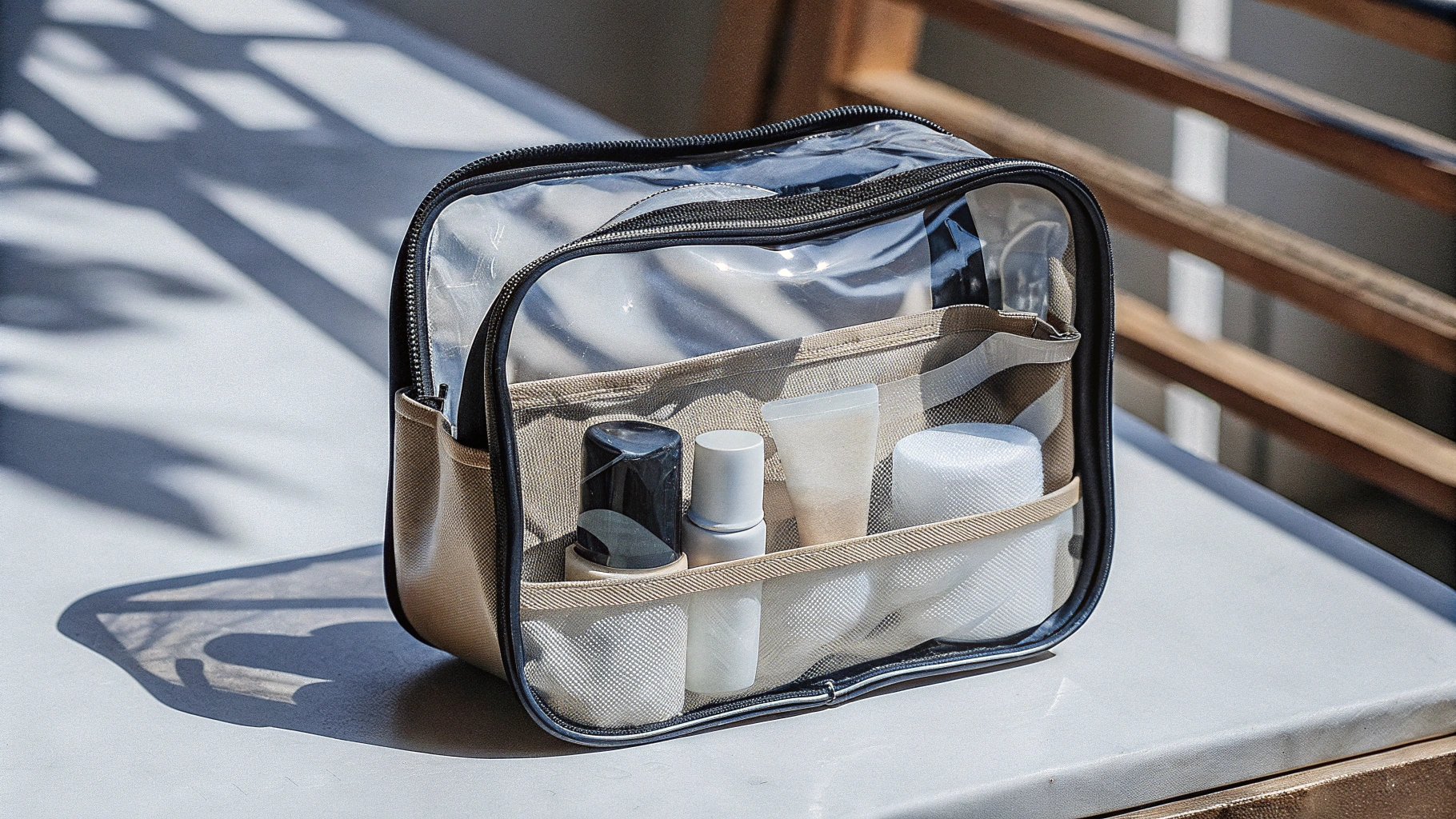
Experiencing three major leaks destroying expensive bags and products taught me that 100% prevention requires paranoid-level precaution, but implementing five-layer protection systems now provides absolute confidence while traveling with $500+ worth of skincare products.
Multi-Layer Protection Systems
Primary Containment Level
Individual product protection:
- Ziplock bag wrapping each liquid product preventing direct contact with bag interior
- Medicine bottle storage transferring unreliable packaging into secure pharmaceutical containers
- Tape reinforcement adding security to questionable caps or deteriorating closures
- Pressure testing conducting home trials identifying potential failure points before travel
- Container replacement upgrading leak-prone original packaging to more reliable alternatives
Secondary Containment Systems
Compartment-level protection:
- Waterproof pouches containing product categories together creating spill-resistant sections
- Clear organization bags enabling visibility while providing moisture barrier protection
- Vacuum-sealed storage removing air pressure reducing container stress and leak potential
- Double-bagging critical products using nested protective layers for invaluable items
- Category isolation separating liquids from powders preventing cross-contamination during spills
Tertiary Protection Barriers
Bag-level safeguarding:
- Waterproof linings throughout bag interior providing final protection against complete disasters
- Removable inserts enabling thorough cleaning without destroying bag structure integrity
- Drainage systems allowing spill removal while maintaining bag functionality and appearance
- Absorptive materials strategically placed catching leaks before reaching bag walls
- Emergency cleanup supplies including wipes and towels stored in accessible exterior pockets
| Protection Layer | Cost | Effectiveness | Maintenance | Replacement Frequency | Travel Compliance |
|---|---|---|---|---|---|
| Individual Ziplock | Low | 90% | None | Monthly | TSA Friendly |
| Waterproof Pouch | Medium | 95% | Rinse clean | 6-12 months | Excellent |
| Lined Compartment | High | 98% | Spot clean | 1-2 years | Professional |
| Vacuum Sealed | Medium | 99% | Reseal process | Per use | Space efficient |
| Full Bag System | High | 99.9% | Deep clean | 2-3 years | Premium |
Container Security Enhancement
Cap and Closure Reinforcement
Failure point strengthening:
- Thread inspection checking for product buildup interfering with proper closure
- Over-torquing avoidance preventing plastic thread damage while ensuring adequate sealing
- Tape application using medical or electrical tape providing secondary closure security
- Rubber band backup creating pressure maintenance during transport and altitude changes
- Replacement cap sourcing identifying compatible closures for worn or damaged caps
Pump and Dispenser Protection
Mechanism safeguarding:
- Locking caps preventing accidental activation during transport and bag compression
- Pump removal storing mechanisms separately when extended travel periods allow
- Pressure protection avoiding compression preventing internal mechanism damage
- Cleaning maintenance ensuring proper function through regular upkeep and inspection
- Backup systems including manual application methods when mechanical dispensers fail
Environmental Hazard Management
Temperature Fluctuation Control
Climate-related protection:
- Insulation systems maintaining product stability during extreme temperature exposure
- Expansion allowance providing space for liquid expansion during heating
- Contraction compensation preventing vacuum formation during cooling cycles
- Rapid temperature change avoidance using gradual acclimatization when possible
- Material compatibility ensuring containers withstand expected temperature ranges
Pressure Variation Adaptation
Altitude and compression management:
- Air travel preparation venting containers when possible before flight departure
- Pressure equalization allowing gradual adjustment preventing sudden cap failure
- Compression resistance using rigid containers when possible preventing crushing damage
- Vacuum prevention maintaining slight positive pressure in sealed containers
- Recovery protocols managing pressure-related leaks after altitude changes
Material Selection Strategies
Container Upgrade Options
Reliability improvement choices:
- Glass-to-plastic transfer reducing breakage risk while maintaining product integrity
- Pump bottle conversion replacing flip-top containers with more secure dispensing systems
- Travel container investment using purpose-built leak-resistant designs
- Solid alternative selection choosing balms over liquids when product effectiveness allows
- Concentrated products reducing liquid volume while maintaining skincare benefits
Bag Material Considerations
Fabric and lining selection:
- Waterproof materials throughout construction preventing absorption and permanent staining
- Easy-clean surfaces enabling quick spill cleanup without permanent damage
- Stain-resistant treatments preventing permanent discoloration from cosmetic ingredients
- Chemical compatibility ensuring bag materials resist degradation from skincare chemicals
- Repair possibilities maintaining bag function after minor damage or wear
Emergency Response Planning
Spill Response Protocols
Immediate action procedures:
- Cleanup supply accessibility including absorbent materials and cleaning wipes
- Damage assessment determining spill extent and required response level
- Containment actions preventing spill spread to unaffected areas or products
- Product salvage attempting to preserve uncontaminated portions
- Secondary protection activation implementing backup protection systems
Replacement Strategies
Recovery planning:
- Essential product identification prioritizing replacement needs base