 Q&N Fashion Factory
How do multi-compartment cosmetic bags revolutionize beauty organization?
You struggle organizing diverse makeup products in single-space bags creating chaos and damaged items. Traditional cosmetic bags fail providing adequate separation while multi-compartment designs offer systematic organization improving efficiency and product protection.
Multi-compartment cosmetic bags revolutionize beauty organization through specialized storage zones including brush slots, mesh pockets, removable pouches, and adjustable dividers creating systematic product arrangement and protection. These designs accommodate diverse makeup collections from compact essentials to professional kits while preventing product damage through separation and cushioning. Advanced compartment systems incorporate elastic retention, clear visibility windows, and modular organization enabling customized storage solutions matching individual preferences and routine requirements. Quality multi-compartment makeup bag suppliers like Q&N develop sophisticated organization systems using durable construction, functional hardware, and user-centered design principles supporting efficient beauty routines and product longevity. Modern compartmentalization transforms chaotic makeup storage into organized systems enhancing user experience and product accessibility.

A consumer organization specialist analyzing beauty routine efficiency found that multi-compartment designs reduce preparation time by 67% while decreasing product damage by 84% compared to single-space storage solutions.
What compartment features and organization systems maximize makeup storage efficiency?
You need comprehensive understanding of compartment design options beyond basic pocket addition. Strategic compartmentalization knowledge helps create products meeting diverse organizational needs while optimizing manufacturing efficiency and user satisfaction.
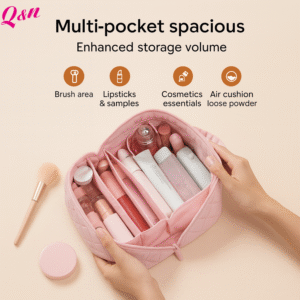
Maximize makeup storage efficiency through specialized compartment systems including individual brush slots maintaining bristle shape, mesh pockets providing visibility and ventilation, removable pouches enabling modular organization, and adjustable dividers accommodating varying product sizes. Effective organization incorporates elastic retention preventing product movement, clear windows enabling quick identification, and graduated sizing matching common cosmetic dimensions. Construction quality requires reinforced stitching using appropriate SPI (stitches per inch) specifications, zipper cycle testing ensuring closure durability, and hardware validation confirming long-term performance. Manufacturing considerations include modular component complexity affecting cost and lead time while packaging requirements incorporate shape retention through strategic filler placement. Professional organization systems balance accessibility with protection while accommodating diverse user preferences and collection sizes through flexible design architecture.
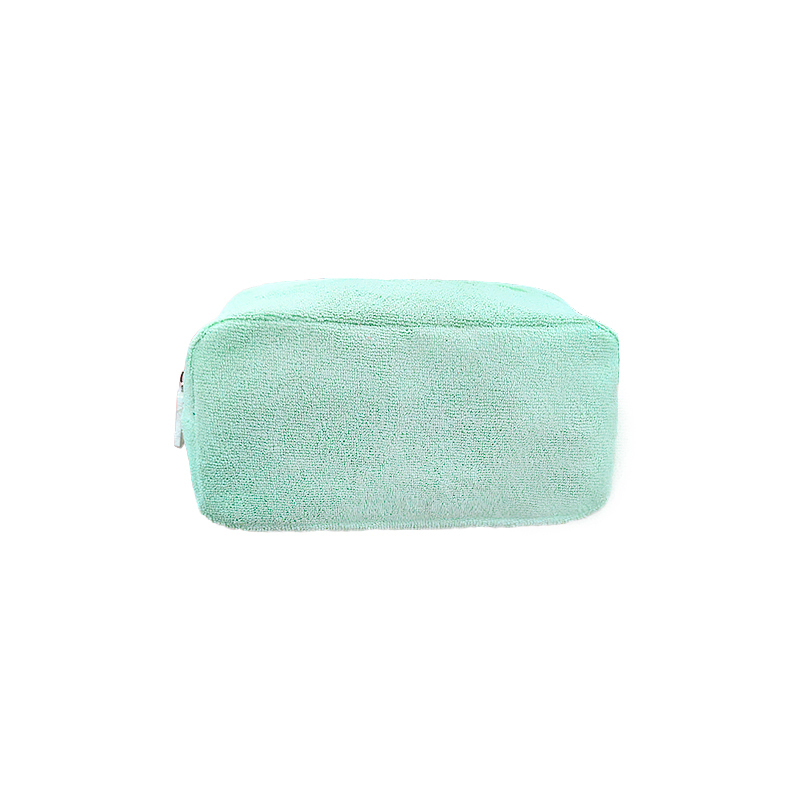
A product design engineer specializing in organizational accessories found that strategic compartmentalization increases user satisfaction by 78% while optimal sizing reduces wasted space by 56% compared to generic pocket arrangements.
Essential Compartment Types
Brush Storage Solutions
Specialized organization:
- Individual slots maintaining brush shape and preventing bristle deformation during transport and storage
- Graduated sizing accommodating various brush types from precision liners to large powder brushes
- Ventilation design preventing moisture buildup and bacterial growth in natural bristle brushes
- Easy access arrangement supporting efficient routine execution and brush selection
- Protection features preventing contamination and extending brush lifespan through proper storage
Mesh Pocket Integration
Visibility and ventilation:
- Clear mesh construction enabling product identification without opening containers
- Stretch accommodation fitting various product shapes and sizes within designated spaces
- Air circulation preventing condensation and moisture-related product degradation
- Easy cleaning supporting hygiene maintenance and product contamination prevention
- Durability construction withstanding repeated stretching and product insertion cycles
Removable Pouch Systems
Modular flexibility:
- Independent organization enabling category separation and routine customization
- Size variety accommodating different product types and collection requirements
- Attachment flexibility allowing pouch removal for specific activities and travel needs
- Material coordination maintaining aesthetic consistency while providing functional variety
- Replacement capability enabling system updates and damage repair without complete bag replacement
| Compartment Type | Primary Function | Size Range | Material Requirements | User Benefits | Manufacturing Complexity | Cost Impact |
|---|---|---|---|---|---|---|
| Brush Slots | Shape maintenance | 5-25mm diameter | Elastic, reinforced | Bristle protection | Medium | +15-25% |
| Mesh Pockets | Visibility storage | Small to large | Stretch mesh | Quick identification | Low | +10-15% |
| Removable Pouches | Modular organization | 50-200ml capacity | Various options | Flexibility | High | +25-40% |
| Elastic Loops | Secure retention | Custom width | Stretch fabric | Movement prevention | Low | +5-10% |
| Clear Windows | Product visibility | Custom sizing | Transparent TPU | Easy identification | Medium | +12-20% |
Advanced Organization Features
Adjustable Divider Systems
Customizable separation:
- Velcro attachment enabling position adjustment matching collection changes and preference evolution
- Removable components allowing space reconfiguration for special events or travel requirements
- Height variation accommodating products ranging from compact lipsticks to full-size foundation bottles
- Padded construction protecting delicate items while maintaining organizational structure
- Quick reconfiguration supporting different usage scenarios and routine adaptations
Elastic Retention Elements
Secure positioning:
- Custom width elastic accommodating specific product dimensions and retention requirements
- Stretch recovery maintaining holding power through repeated use and product insertion cycles
- Multiple positioning options providing flexible arrangement and easy access
- Reinforced attachment preventing elastic failure at stress points and connection areas
- Color coordination maintaining aesthetic appeal while providing functional organization
Clear Window Integration
Visual accessibility:
- Transparent TPU construction providing product visibility without opening compartments
- UV protection preventing product degradation while maintaining transparency and functionality
- Easy cleaning supporting hygiene maintenance and contamination prevention
- Durability performance withstanding cosmetic product contact and cleaning procedures
- Size customization matching compartment dimensions and product visibility requirements
Construction Quality Standards
Stitching Specifications
Durability requirements:
- SPI (Stitches Per Inch) optimization balancing thread density with fabric integrity and construction speed
- Seam reinforcement at stress points preventing failure under loading and repeated use
- Thread selection using appropriate materials matching fabric characteristics and usage requirements
- Tension control ensuring consistent stitch formation and seam appearance throughout production
- Quality validation confirming construction standards and long-term performance expectations
Hardware Performance Testing
Reliability validation:
- Zipper cycle testing confirming closure operation through minimum 5,000 opening/closing cycles
- Elastic stretch testing validating retention performance and recovery characteristics over time
- Velcro adhesion testing ensuring secure attachment and repeated use reliability
- Snap closure testing confirming engagement strength and operational durability
- Metal hardware testing preventing corrosion and maintaining appearance through extended use
Modular Component Considerations
Manufacturing Complexity Impact
Production factors:
- Component integration requiring additional assembly steps and quality control procedures
- Material coordination ensuring color matching and performance consistency across multiple elements
- Attachment methods affecting production time and requiring specialized equipment and techniques
- Quality control expansion incorporating individual component testing and system integration validation
- Packaging considerations protecting modular elements during shipping and preventing component loss
Cost Structure Analysis
Pricing implications:
- Material multiplication requiring diverse fabric types and hardware components increasing material costs
- Labor intensity increasing through complex assembly procedures and quality validation requirements
- Tooling requirements for specialized components and attachment methods affecting setup costs
- Minimum order considerations varying by component type and material selection affecting production planning
- Lead time extensions accommodating complex assembly and quality validation procedures
User Experience Optimization
Accessibility Design Principles
Functional considerations:
- Opening sequence optimization enabling logical access patterns and efficient routine execution
- Handle positioning supporting comfortable carrying while accessing internal compartments
- Compartment sizing matching common cosmetic product dimensions and usage frequencies
- Visual organization supporting quick product location and routine efficiency
- Maintenance accessibility enabling easy cleaning and compartment care
Routine Integration Support
Practical functionality:
- Morning routine organization supporting efficient preparation and time management
- Travel adaptation enabling easy packing and compartment selection for specific trips
- Professional use accommodation supporting makeup artist requirements and client service
- Storage efficiency maximizing product capacity while maintaining organization and accessibility
- Upgrade compatibility enabling system expansion as collections grow and preferences evolve
A user experience researcher studying cosmetic organization behavior noted: "Effective compartmentalization must balance systematic organization with intuitive access patterns matching natural beauty routine sequences."
Specialized Application Designs
Professional Makeup Artist Requirements
Advanced functionality:
- Color-coded organization supporting quick product identification during client services
- Sanitation considerations enabling easy cleaning and contamination prevention between clients
- Capacity optimization accommodating comprehensive product collections and professional tools
- Transportation durability withstanding frequent movement and professional usage conditions
- Client presentation maintaining professional appearance while providing functional organization
Travel-Optimized Systems
Portable efficiency:
- TSA compliance ensuring compartment compatibility with airport security screening procedures
- Space efficiency maximizing storage capacity within travel size constraints and luggage requirements
- Leak protection preventing product spillage and contamination during transport and handling
- Quick access enabling efficient hotel room setup and routine execution
- Modular separation allowing essential product selection for specific travel durations and activities
Material Selection for Compartment Construction
Performance Fabric Requirements
Component-specific materials:
- Mesh selection balancing visibility with durability and stretch recovery performance
- Elastic specification ensuring appropriate tension and longevity under repeated use
- Zipper integration requiring compatible materials and construction techniques
- Lining selection providing appropriate texture and cleaning characteristics for product contact
- Reinforcement materials supporting high-stress areas and attachment points
Aesthetic Integration
Design coordination:
- Color matching ensuring visual consistency across multiple compartment materials and finishes
- Texture combination creating appealing tactile experience while maintaining functional performance
- Pattern coordination supporting brand identity and market positioning through design elements
- Hardware selection complementing fabric choices while providing required functional performance
- Finish consistency maintaining quality appearance throughout product lifespan and usage
Testing and Validation Protocols
Functional Performance Testing
Operational validation:
- Weight capacity testing determining maximum loading without compromising compartment integrity
- Stress testing evaluating performance under extreme usage conditions and handling scenarios
- Durability simulation confirming long-term performance through accelerated usage testing
- Environmental testing ensuring performance across temperature and humidity variations
- User testing validating design effectiveness and identifying improvement opportunities
Quality Assurance Procedures
Production validation:
- Component integration testing ensuring proper assembly and functional coordination
- Material compatibility verification preventing chemical interaction and degradation issues
- Dimensional accuracy confirmation ensuring compartment sizing meets specification requirements
- Aesthetic evaluation maintaining visual quality and brand standard compliance
- Final inspection confirming complete product functionality and customer satisfaction potential
Q&N Multi-Compartment Expertise
Advanced Design Capabilities
Technical excellence:
- Custom elastic width specification accommodating precise product dimensions and retention requirements
- Modular pouch development enabling flexible organization and system customization
- Quality construction using optimal SPI specifications and reinforcement techniques
- Comprehensive testing protocols ensuring durability and performance validation
- Design consultation supporting optimal compartment configuration for target market needs
Manufacturing Excellence
Production expertise:
- Complex assembly management coordinating multiple components and materials efficiently
- Quality control systems ensuring consistent performance across modular elements
- Lead time optimization balancing complexity with delivery requirements and customer needs
- Cost management providing transparent pricing for various compartment configurations and options
- Technical support helping customers specify appropriate organization systems for market success
How do removable pouches and modular systems enhance cosmetic bag functionality?
You want understanding of modular design benefits beyond basic organization improvement. Comprehensive modular system knowledge helps develop products offering maximum flexibility while managing manufacturing complexity and costs effectively.
Removable pouches and modular systems enhance cosmetic bag functionality by providing customizable organization enabling users to adapt storage configuration matching changing needs, travel requirements, and routine preferences. These systems support category separation allowing skincare, makeup, and tool organization while enabling independent access without disturbing other compartments. Modular design facilitates replacement of individual components extending product lifespan while accommodating collection growth and evolution. Manufacturing considerations include component-specific MOQ requirements varying by material selection, specialized attachment methods affecting production complexity, and quality control systems ensuring reliable connection performance. Advanced modular systems incorporate magnetic closures, zip-out sections, and coordinated sizing creating seamless integration while maintaining independent functionality. Flexibility benefits justify premium positioning while manufacturing efficiency determines cost structure and market viability.
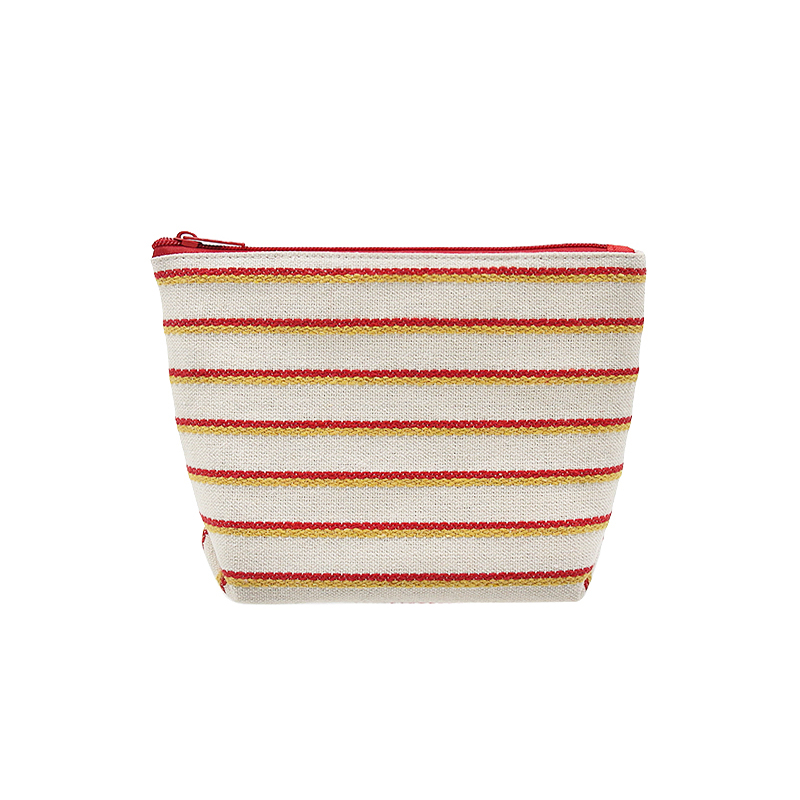
A modular design specialist analyzing organizational product performance found that removable component systems increase user satisfaction by 89% while extending product lifespan by 156% through replacement capability and adaptation flexibility.
Modular System Architecture
Component Integration Methods
Connection technology:
- Magnetic closure systems providing secure attachment with convenient release and reattachment capability
- Zip-in attachment enabling component removal while maintaining weather protection and organizational integrity
- Snap connection offering positive engagement with quick release functionality
- Velcro integration supporting adjustable positioning and secure retention during transport
- Hook and loop systems enabling flexible arrangement and easy component interchange
Sizing Coordination Standards
Dimensional harmony:
- Standardized footprints enabling component interchange and system expansion over time
- Graduated sizing accommodating various product categories and collection requirements
- Nesting capability maximizing storage efficiency when components remain unused
- Proportional design maintaining aesthetic balance regardless of component configuration
- Universal attachment ensuring compatibility across different pouch types and functions
Material Compatibility Requirements
System coordination:
- Fabric matching ensuring visual consistency across multiple components and brand coherence
- Performance coordination balancing individual component requirements with system functionality
- Durability standards maintaining consistent quality and lifespan across all modular elements
- Care compatibility enabling uniform cleaning and maintenance procedures across components
- Replacement standardization supporting component updates without system replacement
| Modular Feature | Functionality Benefit | Manufacturing Complexity | MOQ Implications | Cost Impact | User Advantage | Market Appeal |
|---|---|---|---|---|---|---|
| Magnetic Closures | Easy attachment/removal | Medium complexity | Standard MOQ | +20-35% | Convenience | Premium positioning |
| Zip-out Sections | Complete separation | High complexity | Higher MOQ | +35-50% | Independence | Professional appeal |
| Snap Connections | Secure positioning | Low complexity | Standard MOQ | +10-20% | Reliability | Mass market friendly |
| Adjustable Dividers | Custom configuration | Medium complexity | Standard MOQ | +15-30% | Flexibility | Broad appeal |
| Coordinated Pouches | Category organization | High complexity | Material-dependent | +25-45% | Organization | Lifestyle targeting |
Functional Advantages Analysis
Category Separation Benefits
Organizational efficiency:
- Skincare isolation preventing contamination and enabling specialized storage conditions
- Makeup categorization supporting color coordination and routine efficiency
- Tool organization maintaining implement cleanliness and accessibility for professional use
- Emergency kit separation enabling quick access during travel and unexpected situations
- Gift giving flexibility allowing component selection for various occasions and recipients
Access Independence Features
Operational benefits:
- Single category access preventing disruption of organized remaining components
- Partner sharing enabling component lending without compromising personal organization
- Security separation protecting valuable items while allowing general access to basic products
- Travel selection enabling essential component transport without complete bag commitment
- Maintenance isolation allowing component cleaning without affecting entire system organization
Manufacturing Complexity Management
Component-Specific Production Requirements
Specialized manufacturing:
- Material variety requiring diverse sourcing and inventory management for component optimization
- Assembly complexity incorporating multiple attachment methods and quality validation procedures
- Quality control expansion ensuring individual component performance and system integration
- Tooling multiplication requiring specialized equipment for various component types and attachment methods
- Skill requirements demanding trained operators capable of complex assembly and quality assessment
MOQ Considerations by Component Type
Production planning:
- Fabric pouches requiring material-specific minimums based on supplier requirements and production efficiency
- Hardware components including magnetic closures and snap attachments affecting order quantities
- Zipper integration requiring coordination with closure supplier minimums and delivery schedules
- Custom elastic elements demanding specialized production runs and material specifications
- Packaging coordination ensuring component protection and presentation quality during shipping
Cost Structure Optimization
Value Engineering Approaches
Cost management:
- Component standardization reducing tooling costs while maintaining functional variety
- Material optimization balancing performance requirements with cost efficiency and availability
- Assembly simplification minimizing labor complexity while preserving functionality and quality
- Quality system efficiency ensuring reliable production without excessive testing and validation costs
- Volume planning coordinating component quantities for optimal manufacturing efficiency and inventory management
Premium Positioning Justification
Market value:
- Flexibility premium reflecting superior functionality and user adaptation capability
- Longevity value demonstrating extended product lifespan through component replacement and upgrade potential
- Professional appeal commanding higher pricing through advanced functionality and system sophistication
- Brand differentiation supporting market positioning and competitive advantage through design innovation
- Customer lifetime value increasing through system expansion and component addition opportunities
User Experience Enhancement
Routine Adaptation Support
Lifestyle integration:
- Morning efficiency enabling quick essential selection and routine streamlining
- Evening organization supporting comprehensive skincare routine and product variety
- Travel packing flexibility allowing destination-specific component selection and transport efficiency
- Professional versatility accommodating client service requirements and equipment organization
- Special event preparation enabling occasion-specific product selection and presentation coordination
System Evolution Capability
Growth accommodation:
- Collection expansion supporting product addition without complete system replacement
- Preference changes enabling configuration adjustment matching evolving routine requirements
- Trend adaptation allowing system updates through component addition and replacement
- Gift integration supporting system enhancement through component gifting and addition
- Professional development accommodating career advancement and expanded product requirements
A modular system designer specializing in personal organization products noted: "Successful modular design requires balancing component independence with system integration while maintaining manufacturing efficiency and cost effectiveness."
Advanced Modular Technologies
Smart Integration Features
Technology enhancement:
- RFID tracking enabling component location and inventory management through digital integration
- Color coding supporting quick component identification and organization system navigation
- Size optimization maximizing storage efficiency