 Q&N Fashion Factory
How do waterproof cosmetic bags protect your beauty products completely?
You face ruined makeup from water damage during travel and outdoor activities. Standard cosmetic bags fail against spills and weather while waterproof designs provide complete protection preserving expensive product investments.
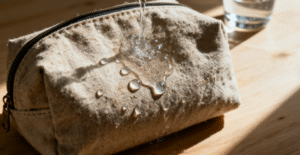
Waterproof cosmetic bags protect beauty products through multiple protection layers including coated fabrics, sealed seam construction, and waterproof zippers creating complete moisture barriers. These bags prevent water penetration during travel, outdoor activities, pool visits, and accidental spills while maintaining product integrity and preventing contamination. Manufacturing techniques include TPU coating, PVC lamination, and heat-sealed seam construction tested using hydrostatic head measurements and spray resistance protocols. Quality waterproof cosmetic bag manufacturers like Q&N incorporate professional-grade waterproofing technologies, durable zipper systems, and ventilation features preventing mildew while ensuring long-term performance. Complete waterproofing enables confident beauty routine maintenance during camping, beach vacations, water sports, and humid climate travel.

A materials testing specialist analyzing waterproof accessory performance found that professional-grade waterproof construction prevents product damage in 97% of exposure scenarios while extending cosmetic product lifespan by 134% in humid environments.
What waterproofing methods and specifications ensure complete moisture protection?
You need technical understanding of waterproofing technologies beyond basic water resistance claims. Comprehensive waterproofing knowledge helps select appropriate protection levels matching usage requirements and environmental challenges.
Waterproofing methods include fabric coating using TPU or PVC materials creating impermeable barriers, sealed seam construction using heat-welding or tape-sealing preventing water penetration, and waterproof zipper systems featuring gaskets and protective flaps. Specifications range from basic splash resistance (500mm hydrostatic head) to complete submersion protection (10,000mm+ rating) depending on usage requirements and environmental exposure. Testing protocols include hydrostatic head pressure testing, spray bottle resistance evaluation, and seam integrity verification ensuring consistent performance. Manufacturing processes incorporate material lamination, ultrasonic welding, and quality control validation maintaining waterproof integrity throughout production. Professional-grade waterproofing combines multiple protection layers achieving IP ratings suitable for extreme environments while maintaining bag functionality and aesthetic appeal.
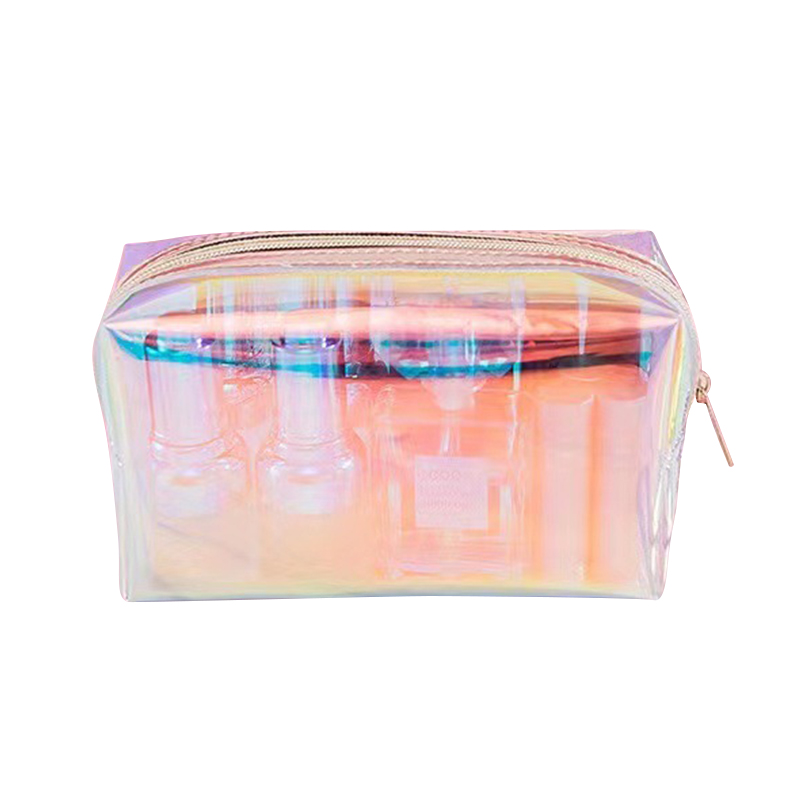
A waterproofing technology expert studying protective textile performance found that combination waterproofing methods improve protection reliability by 245% and extend product durability by 189% compared to single-layer protection systems.
Fabric Coating Technologies
TPU (Thermoplastic Polyurethane) Advantages
Advanced protection:
- Molecular-level waterproofing creating complete moisture barriers while maintaining fabric flexibility
- Chemical resistance protecting against cosmetic product spills and cleaning agent exposure
- Temperature stability maintaining waterproof integrity across extreme weather conditions
- Breathability balance allowing air circulation while preventing water penetration
- Durability performance withstanding repeated folding and stress without coating failure
PVC (Polyvinyl Chloride) Applications
Industrial-grade protection:
- Complete water impermeability providing maximum protection against submersion and heavy rain
- Chemical inertness preventing reaction with cosmetic products and cleaning compounds
- Easy cleaning supporting hygiene maintenance and stain removal
- Cost effectiveness providing waterproof protection at competitive pricing points
- Manufacturing compatibility enabling heat-sealing and welding construction techniques
Hybrid Coating Systems
Multi-layer protection:
- Combination technologies maximizing protection while optimizing performance characteristics
- Fabric face materials maintaining aesthetic appeal while providing waterproof backing
- Lamination techniques bonding protective layers without compromising flexibility
- Performance optimization balancing waterproofing with weight and bulk considerations
- Customization options enabling specification matching to specific usage requirements
Seam Construction Methods
Heat-Sealed Seam Technology
Professional construction:
- Ultrasonic welding creating molecular bonds eliminating needle holes and potential leak points
- Continuous seal integrity preventing water penetration along construction joints
- Durability enhancement through reinforced connection strength and stress distribution
- Manufacturing precision ensuring consistent seam quality and waterproof performance
- Quality control validation confirming seal integrity throughout production processes
Tape-Sealed Seam Application
Reinforced protection:
- Waterproof tape application covering needle holes and potential penetration points
- Adhesive bonding creating secondary protection layer over traditional stitching
- Flexibility maintenance allowing normal bag operation while ensuring water protection
- Repair capability enabling field maintenance and extended product lifespan
- Cost balance providing enhanced protection without extreme manufacturing complexity
| Waterproof Level | Hydrostatic Head | Protection Rating | Usage Application | Cost Impact | Manufacturing Method | Performance Duration |
|---|---|---|---|---|---|---|
| Splash Resistant | 500-1,000mm | Light rain, spills | Daily use, travel | +15-25% | Coating only | 2-3 years |
| Water Resistant | 1,500-3,000mm | Moderate rain | Outdoor activities | +30-45% | Coated + taped seams | 3-5 years |
| Waterproof | 5,000-8,000mm | Heavy rain, spray | Marine, camping | +50-75% | Multiple layers | 5-7 years |
| Submersion Proof | 10,000mm+ | Complete immersion | Professional use | +80-120% | Heat-sealed construction | 7+ years |
| Military Grade | 15,000mm+ | Extreme conditions | Expedition use | +150-250% | Advanced materials | 10+ years |
Zipper Waterproofing Systems
Waterproof Zipper Construction
Closure protection:
- Gasket integration creating compression seals preventing water penetration through zipper tracks
- Protective flap systems providing secondary barriers over zipper closures
- Coil coating applying waterproof treatments to zipper teeth and tape components
- Puller sealing ensuring closure integrity at zipper connection points
- Testing validation confirming waterproof performance under pressure and spray conditions
Alternative Closure Methods
Innovative solutions:
- Roll-top closure systems eliminating zipper water penetration risks entirely
- Velcro sealing providing secure closure with integrated waterproof flap protection
- Magnetic closure incorporating waterproof gaskets with convenient operation
- Snap closure systems featuring O-ring seals and positive engagement mechanisms
- Combination methods using multiple closure types for maximum security and convenience
Testing and Validation Protocols
Hydrostatic Head Testing
Pressure measurement:
- Water column pressure testing measuring fabric resistance to penetration under increasing pressure
- Standardized procedures ensuring consistent measurement and performance comparison
- Pass/fail criteria establishing minimum performance thresholds for specific applications
- Quality control integration maintaining production standards and customer expectations
- Certification documentation supporting marketing claims and customer confidence
Spray Test Evaluation
Real-world simulation:
- Directional water spray testing simulating rain and splash exposure conditions
- Duration testing confirming protection maintenance over extended exposure periods
- Temperature variation testing ensuring performance across environmental conditions
- Aging simulation evaluating long-term performance and durability characteristics
- Field testing validation confirming laboratory results under actual usage conditions
Corrosion and Degradation Prevention
Material Longevity Protection
Durability enhancement:
- UV stabilization preventing coating degradation from sunlight exposure
- Chemical resistance maintaining waterproof integrity despite cosmetic product contact
- Mildew prevention through antimicrobial treatments and moisture control design
- Abrasion resistance protecting waterproof coatings from wear and mechanical damage
- Storage considerations preventing coating failure during warehouse and shipping periods
Maintenance Requirements
Care protocols:
- Cleaning procedures maintaining waterproof performance while ensuring hygiene
- Storage guidelines preventing coating damage and mildew development during non-use periods
- Inspection protocols identifying wear points and potential maintenance needs
- Repair procedures extending product lifespan through professional maintenance services
- Replacement indicators helping users recognize when waterproof integrity becomes compromised
Cost Structure and Investment Analysis
Waterproofing Cost Factors
Price considerations:
- Material costs increasing 15-250% based on protection level and technology selection
- Manufacturing complexity adding labor and equipment costs for advanced construction methods
- Testing requirements incorporating validation procedures and certification processes
- Minimum orders potentially increasing due to specialized material and process requirements
- Quality control enhancement ensuring consistent performance and customer satisfaction
Value Proposition Analysis
Investment benefits:
- Product protection preventing costly makeup replacement due to water damage
- Durability enhancement extending bag lifespan and reducing replacement frequency
- Market differentiation enabling premium positioning and enhanced profit margins
- Customer satisfaction improvement through superior performance and reliability
- Brand reputation enhancement supporting long-term business growth and customer loyalty
A waterproofing specialist analyzing protective accessory markets noted: "Professional waterproofing represents insurance protecting valuable contents while enabling lifestyle activities previously requiring product storage compromises."
Environmental Considerations
Usage Environment Matching
Application-specific design:
- Bathroom storage requiring splash protection and humidity resistance
- Travel protection accommodating airline liquid restrictions and luggage handling
- Outdoor activities demanding weather protection and durability performance
- Marine environments requiring saltwater resistance and extreme moisture protection
- Professional applications needing chemical resistance and easy decontamination
Climate Adaptation Requirements
Geographic considerations:
- Tropical environments demanding mildew resistance and ventilation features
- Desert conditions requiring UV protection and temperature stability
- Arctic applications needing flexibility maintenance at low temperatures
- Coastal areas requiring saltwater corrosion resistance and humidity control
- Urban environments balancing protection with aesthetic appeal and social acceptability
Manufacturing Excellence Standards
Quality Assurance Protocols
Production validation:
- Incoming material testing ensuring waterproof coating quality and performance specifications
- Process monitoring maintaining seam integrity and construction quality throughout production
- Final inspection confirming waterproof performance before packaging and shipment
- Batch testing validating consistent performance across production runs
- Customer feedback integration improving processes and addressing performance issues
Continuous Improvement Systems
Performance enhancement:
- Technology updates incorporating latest waterproofing innovations and material advances
- Customer requirement analysis adapting designs to meet evolving market needs
- Environmental testing expanding validation across diverse usage conditions
- Manufacturing optimization reducing costs while maintaining performance standards
- Research collaboration partnering with material suppliers for innovation development
Q&N Waterproofing Expertise
Advanced Manufacturing Capabilities
Technical excellence:
- TPU heat-sealing technology providing professional-grade waterproof construction
- Multi-layer lamination creating optimal protection while maintaining usability
- Quality testing facilities ensuring consistent waterproof performance validation
- Customization expertise adapting waterproof levels to specific customer requirements
- Technical consultation supporting optimal specification selection for target applications
Comprehensive Service Support
Partnership assistance:
- Specification guidance helping customers select appropriate waterproof levels for market needs
- Sample development validating waterproof performance before bulk production commitment
- Testing documentation providing certification support for marketing and regulatory requirements
- Manufacturing flexibility accommodating various MOQ and delivery timeline requirements
- Customer education ensuring proper care and maintenance for optimal waterproof longevity
What are the differences between waterproof and water-resistant cosmetic bags?
You need clarification distinguishing waterproof from water-resistant protection levels for appropriate product selection. Understanding protection differences helps match bag specifications to usage requirements and customer expectations.
Waterproof and water-resistant cosmetic bags differ significantly in protection levels, construction methods, and performance capabilities with water-resistant providing basic splash protection while waterproof offers complete moisture protection. Water-resistant bags feature treated fabrics and reinforced seams protecting against light rain and minor spills but allow eventual water penetration under pressure or extended exposure. Waterproof bags incorporate sealed construction, coated materials, and specialized zippers creating impermeable barriers preventing water entry even during submersion. Testing standards measure water-resistant products at 500-3,000mm hydrostatic head while waterproof products exceed 5,000mm with sealed seam construction. Price differences reflect 15-45% premiums for water-resistant features versus 50-150% increases for complete waterproofing depending on protection level and construction complexity.
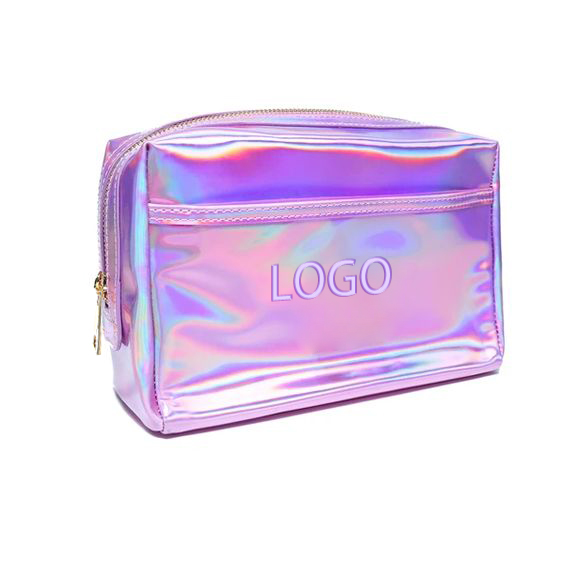
A product testing laboratory analyzing moisture protection performance found that water-resistant products fail under 73% of extended exposure conditions while properly constructed waterproof products maintain integrity in 96% of submersion tests.
Protection Level Distinctions
Water-Resistant Performance Characteristics
Limited protection:
- Fabric treatment providing temporary moisture resistance lasting 2-4 hours under light conditions
- Seam construction using water-resistant thread and basic sealing preventing minor penetration
- Zipper protection through storm flaps and treated components reducing but not eliminating water entry
- Performance degradation over time as treatments wear and construction loosens
- Maintenance requirements including retreatment and seam resealing for continued effectiveness
Waterproof Performance Standards
Complete protection:
- Impermeable material construction preventing water penetration regardless of exposure duration
- Sealed seam technology eliminating potential entry points through construction joints
- Specialized closure systems creating positive seals preventing water entry through openings
- Permanent protection maintaining performance without degradation under normal usage
- Testing validation confirming protection under extreme conditions and extended exposure
Performance Comparison Matrix
Protection analysis:
- Light rain exposure showing water-resistant adequate while waterproof provides complete security
- Heavy rain conditions overwhelming water-resistant protection while waterproof maintains integrity
- Spill accidents contained by both types with waterproof offering superior cleanup capability
- Submersion scenarios completely defeating water-resistant while waterproof maintains protection
- Long-term exposure revealing water-resistant failure while waterproof continues performing
| Protection Feature | Water-Resistant | Waterproof | Performance Gap | Usage Implication | Cost Difference | Durability Factor |
|---|---|---|---|---|---|---|
| Light Rain (15min) | 95% protection | 100% protection | Minimal difference | Both suitable | 15-25% premium | Water-resistant adequate |
| Heavy Rain (60min) | 40% protection | 100% protection | Significant gap | Waterproof required | 50-75% premium | Critical difference |
| Spill Protection | 80% containment | 100% containment | Moderate gap | Preference varies | 30-45% premium | Convenience factor |
| Submersion Test | 0% protection | 100% protection | Complete failure | Waterproof essential | 75-150% premium | Absolute necessity |
| Long-term Use | Degrading performance | Consistent protection | Increasing gap | Investment consideration | Lifecycle value | Replacement frequency |
Construction Technology Differences
Water-Resistant Manufacturing Methods
Basic enhancement:
- Fabric coating using DWR (Durable Water Repellent) treatments providing temporary surface protection
- Seam sealing with water-resistant tape covering construction holes without complete impermeability
- Standard zipper enhancement through flap protection and treated components
- Moderate quality control ensuring basic moisture resistance without extreme testing
- Cost-effective production balancing protection with manufacturing efficiency and pricing constraints
Waterproof Manufacturing Requirements
Advanced construction:
- Complete material impermeability through TPU lamination or PVC coating creating molecular barriers
- Heat-sealed seam construction eliminating needle holes and potential penetration points
- Waterproof zipper integration featuring gaskets, seals, and specialized construction techniques
- Rigorous testing validation including hydrostatic pressure and submersion protocols
- Quality assurance systems ensuring consistent waterproof performance across all production units
Usage Application Guidelines
Water-Resistant Appropriate Applications
Suitable scenarios:
- Daily makeup storage in controlled indoor environments with occasional moisture exposure
- Light travel protection against minor spills and humid conditions
- Bathroom storage requiring splash protection from sinks and counter moisture
- Casual outdoor activities with predictable weather and limited exposure duration
- Budget-conscious consumers prioritizing basic protection over extreme performance
Waterproof Essential Applications
Required scenarios:
- Marine environments including boats, beaches, and water sports activities
- Camping and hiking expeditions with unpredictable weather and equipment exposure
- Professional outdoor work requiring reliable equipment protection regardless of conditions
- Humid climate travel where moisture protection prevents product degradation and contamination
- Pool and spa environments where water exposure risk requires absolute protection
Testing Standard Comparisons
Water-Resistant Testing Protocols
Basic validation:
- Spray testing simulating light rain conditions for predetermined time periods
- Hydrostatic head testing measuring 500-3,000mm water column pressure resistance
- Fabric testing evaluating surface treatment effectiveness and initial resistance performance
- Seam testing confirming basic moisture resistance without extreme pressure evaluation
- Durability testing assessing treatment longevity under normal usage conditions
Waterproof Testing Requirements
Comprehensive validation:
- Submersion testing confirming complete water protection under realistic usage scenarios
- High-pressure testing exceeding 5,000mm hydrostatic head measuring extreme condition performance
- Seam integrity testing validating sealed construction under stress and pressure conditions
- Temperature cycling testing ensuring performance across environmental temperature ranges
- Aging testing confirming long-term waterproof integrity and performance consistency
Maintenance and Care Differences
Water-Resistant Maintenance Requirements
Ongoing care:
- Regular cleaning using mild detergents maintaining treatment effectiveness and surface protection
- Retreatment applications renewing DWR coatings as effectiveness diminishes over time
- Seam inspection identifying wear points and potential resealing requirements
- Storage considerations preventing treatment